

 Sales
Sales





 My account
 View cart
Active carbon
Activated carbon filters — odour and gas elimination from ventilation systems
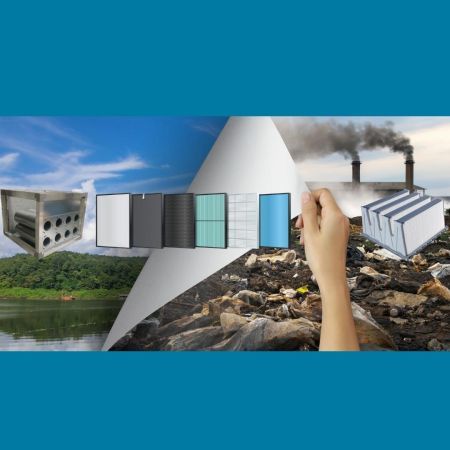
Activated carbon filters are the only filtration solution that eliminates odours, organic gases (VOCs) and volatile chemical compounds from ventilated air. Unlike mechanical filters (G4, F9, HEPA) which capture solid particles by physical obstruction, activated carbon filtration works through chemical adsorption — gas and odour molecules bond to the porous surface of the activated carbon and are permanently retained.
How activated carbon works: Activated carbon is a material with an extremely developed porous structure — one gram of activated carbon has an internal surface area of up to 1,500 m². This massive surface creates an enormous number of contact points for the gas and odour molecules passing through the filter. Molecules adsorb onto the surface and are not released back into the filtered air — unlike chemical deodorisers that mask odours, activated carbon eliminates them physically.
Available range:
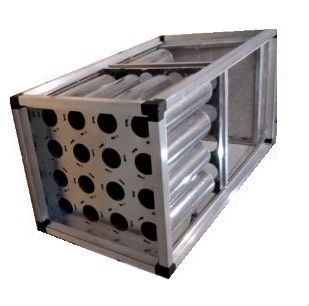
Frames for activated carbon cylinders (610×610 mm): galvanised steel frame housing 16 activated carbon cylinders. The module mounts in the AHU filter bank or within a series filtration system (after the G4 and optionally F9 filter). Cylinders are replaced individually when saturated — the entire module does not need to be changed.
Granulated activated carbon (25 kg bags): activated carbon granules for recharging cylinder filters or for other industrial applications. Primary purpose: deodorisation, air purification and protection of people from gases and volatile chemical compounds. Available in 25 kg bags.
When activated carbon filtration is needed:
-
Restaurants and professional kitchens — cooking volatiles reaching adjacent areas
-
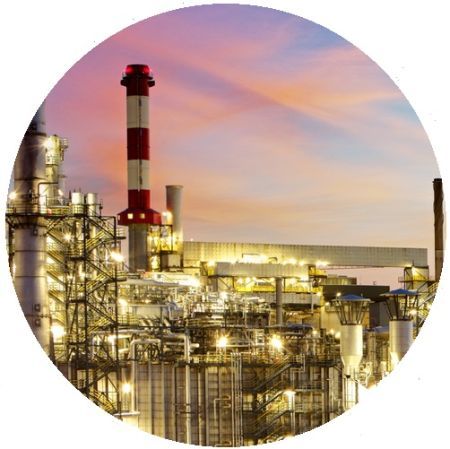
Spray booths and coating lines — organic solvent vapours (toluene, xylene, acetone)
-
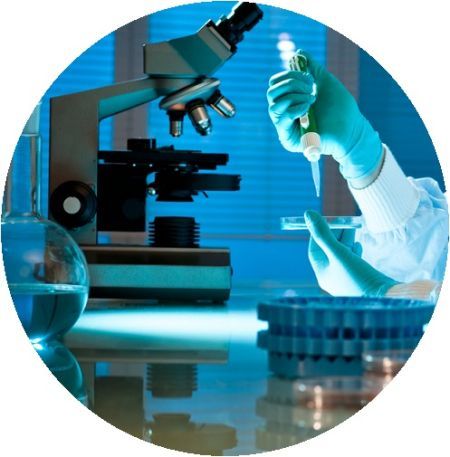
Chemical laboratories — gases and odours specific to analytical processes
-
Spaces adjacent to odour sources (waste areas, technical rooms)
-
Food industry — process-specific odours
-
Any space where mechanical filtration alone is insufficient
Important: activated carbon filters must always be installed after a mechanical G4 filter which stops solid particles. Dust and oils block carbon pores and dramatically reduce adsorption capacity.
👉 G4 cassette filters for the preceding stage 👉 Modular units with G4+F9+Carbon
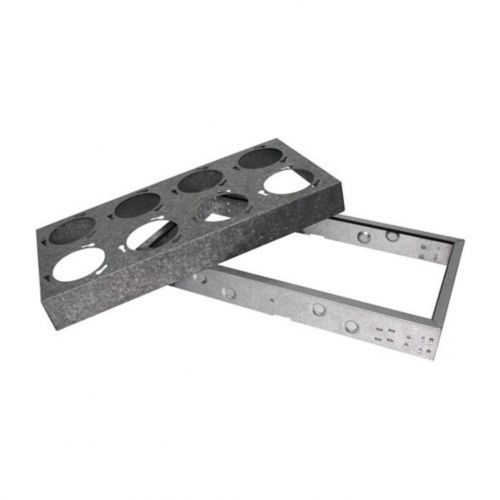
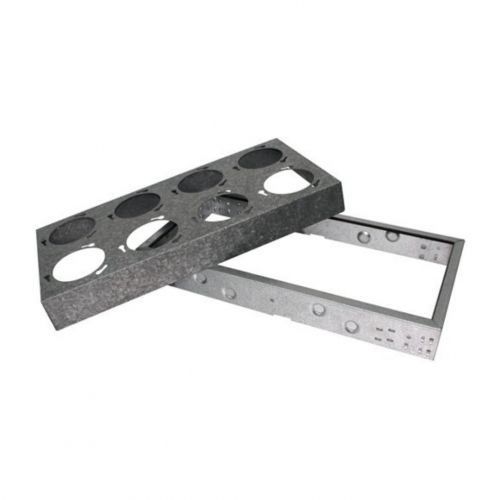
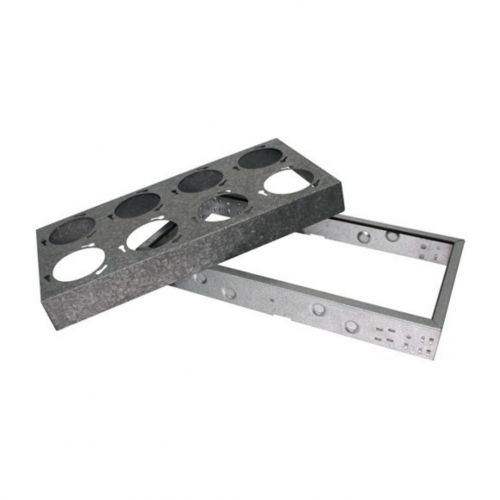
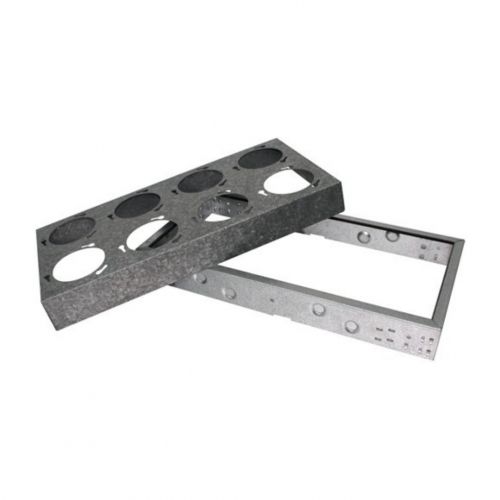
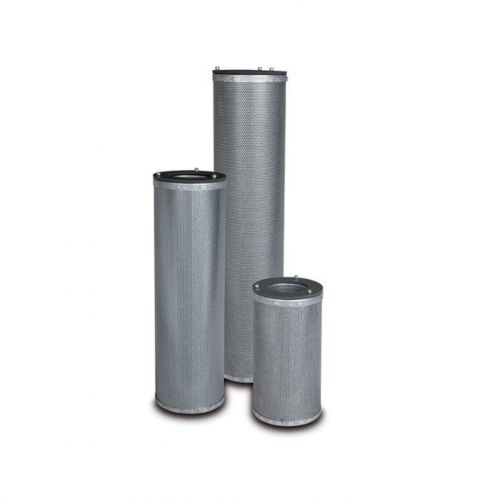
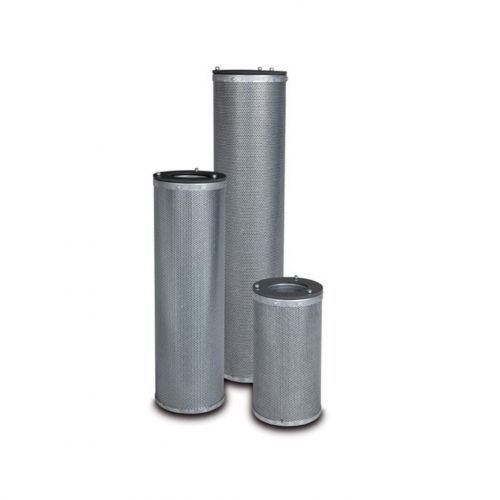
Activated carbon cartridge FCC-AC Ø145 × 450 mm — standard dimension for FCB base
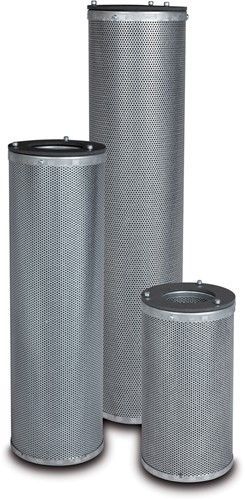
Cylindrical FCC-AC cartridge Ø145 × 450 mm — the standard dimension in the range, corresponding to the FCC-AC specification in the technical datasheet. Airflow 156 m³/h, pressure drop 125 Pa. Bayonet fixing in FCB-4, FCB-8, FCB-12 or FCB-16 bases. Retains HCl, HF, NOx and SO2. Galvanised steel housing, activated carbon volume 4.3 L. Max. temperature: 70°C. Max. R.H.: 70%.
Pre-order
Pre-order
Pre-order
Pre-order
Pre-order
Pre-order
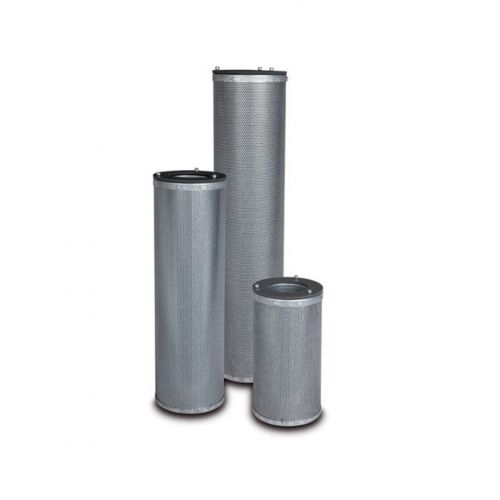
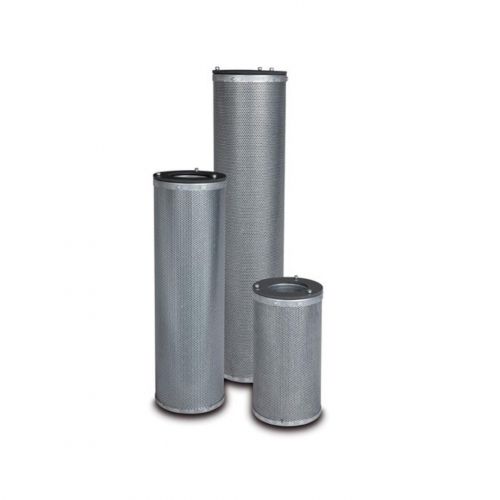
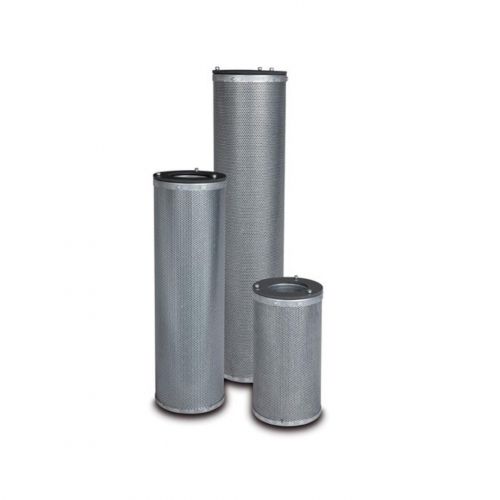
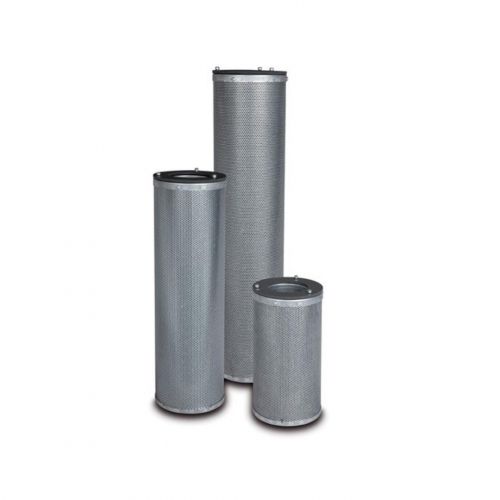
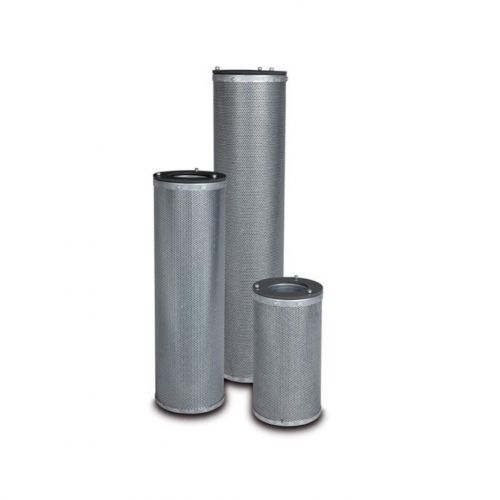
Activated carbon cylinder Ø145 × 220 mm — deodorising filter
Cylindrical activated carbon cartridge Ø145 × 220 mm for replacement in FCB-4, FCB-8, FCB-12 or FCB-16 filter bases. Bayonet fixing system. Retains HCl, HF, NOx and SO2 from ventilated air by adsorption. Compact variant with shorter carbon layer — recommended for low contaminant concentrations or selective replacement. Galvanised steel housing. Maximum airflow: 156 m3/h. Maximum operating temperature: 80°C. Recommended with F7 pre-filter to extend service life. Cylinder length: 220 mm.
Pre-order
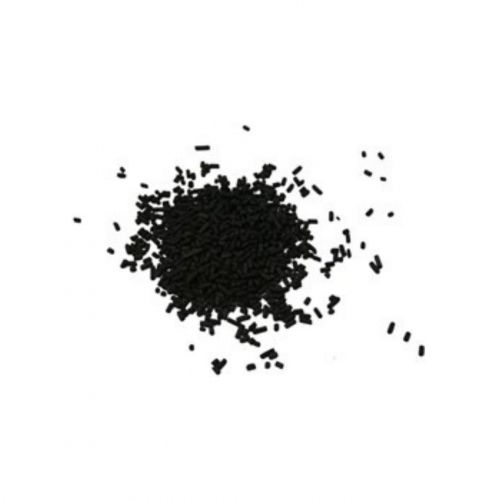
Activated carbon granules — 25 kg bag for ventilation filters and air purification
Activated carbon granules in 25 kg bag for refilling activated carbon ventilation filters. Adsorbs and neutralises odours, solvent vapours, volatile organic compounds (VOCs) and other chemical contaminants from ventilated air. Specific adsorption surface area above 1,000 m²/g. Applications: paint booths, underground car parks, laboratories, professional kitchens, spaces with strict air purity requirements. Available in 25 kg bags.
Pre-order

