










 Solutions KIT
 Sales
Sales



















 My account
 View cart
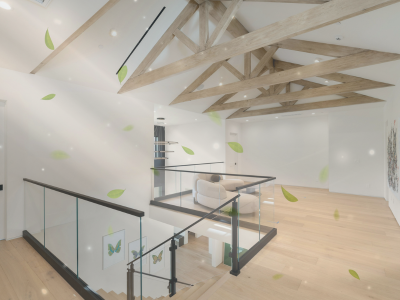 Attic Fan – A Powerful Ally for Improving Air Conditioning Efficiency
Summer brings higher and higher temperatures, and the costs of cooling your home increase significantly. If you have an air conditioning unit but feel it’s struggling or running non-stop, the solution might be simpler than you think: installing an attic fan.
Why Does the Attic Get So Hot?
The attic is the space most affected by direct sunlight. Temperatures here can easily exceed 60°C (140°F), and the stagnant hot air heats the entire house from top to bottom, forcing the air conditioning system to work much harder.
The Solution: Active Attic Ventilation
An attic fan mounted in the roof space extracts the accumulated hot air from under the roof, allowing cooler fresh air to enter.
This results in:
- Lower ceiling temperature in the rooms below
- More efficient operation of the air conditioner
- Energy consumption reduced by up to 30%
What Type of Fan Should You Choose for the Attic?
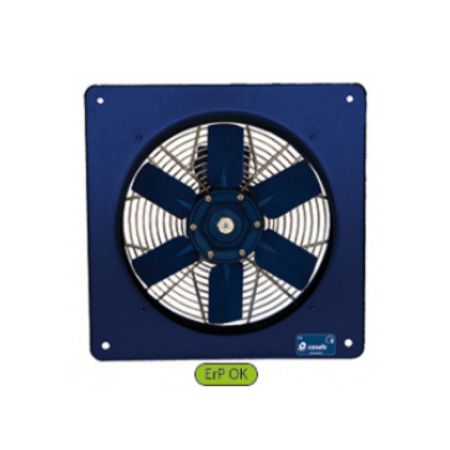
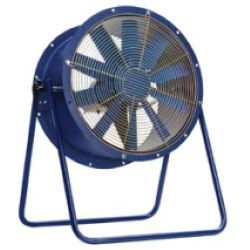
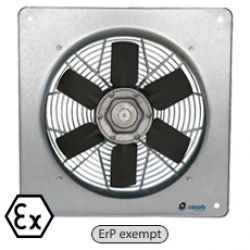
Axial Fans
- Direct installation on the exterior wall or roof ridge
- High airflow, ideal for rapid extraction
- Can be equipped with temperature sensors for automatic operation
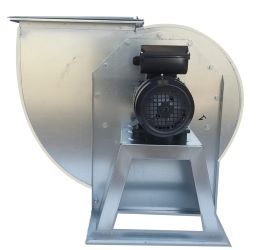
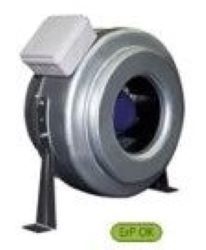
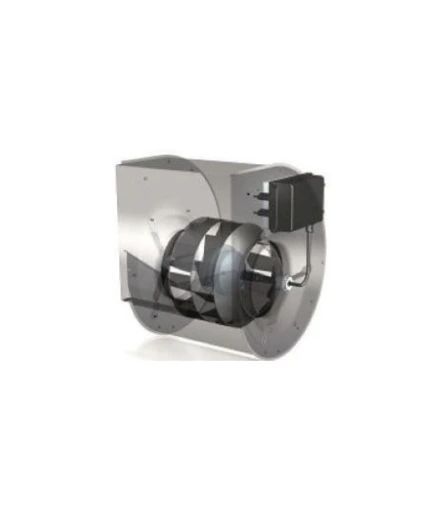
Centrifugal Fans
- Recommended for larger or partitioned attics
- Generate higher static pressure, perfect for ducted systems
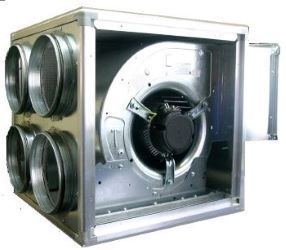
- Can be installed in a soundproofed box (box fan version) to reduce noise
- Easily integrated with HVAC control systems
If the attic is insulated, long, or has partition walls, a centrifugal fan is usually more effective than an axial one because it can push air through longer or more complex duct runs.
Example Calculation: For a 60 m² attic with 2.5 m height → volume = 150 m³ With 8 air changes per hour → required airflow ≈ 1,200 m³/h
Recommended fan:
- Axial if the space is open
- Centrifugal with static pressure > 150 Pa if there are obstacles or grilles
Where Should the Fan Be Installed?
- On the vertical gable wall of the attic (exterior)
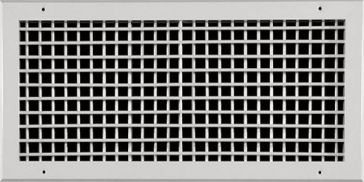
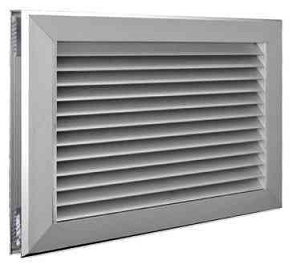
- In the roof plane (with protective grille)
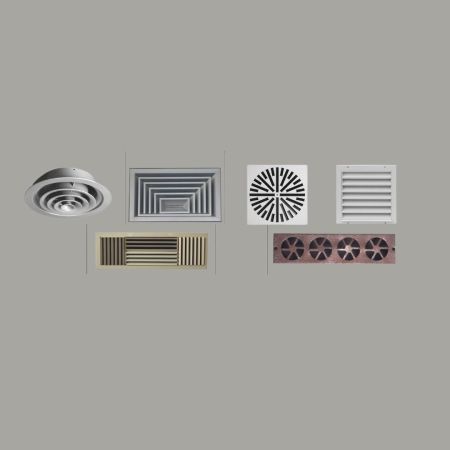
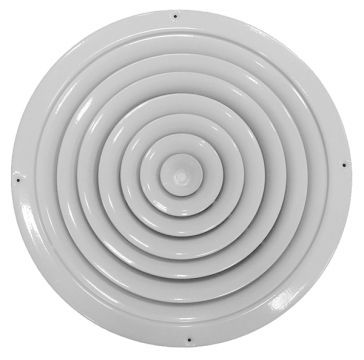
- In a technical space inside the attic, connected to ducts and supply/exhaust grilles
Automation and Control
Attic fans can be equipped with:
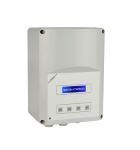
- Temperature sensors – automatic activation above 30°C
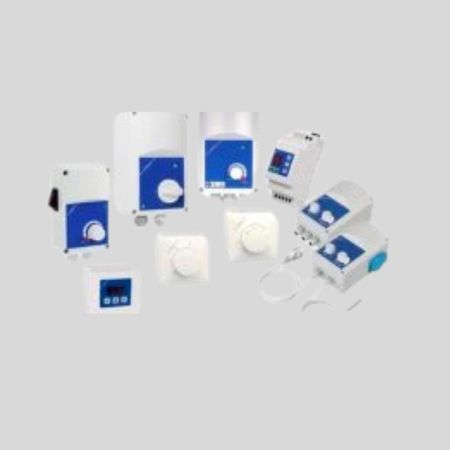
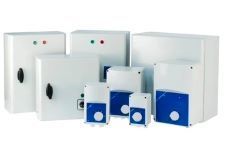
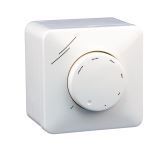
- Speed controllers – adjust airflow according to needs
- Programmable thermostats or timers
What Do You Lose If You Don’t Ventilate the Attic?
- Higher air conditioning bills
- Overheating of ceilings and walls
- Faster wear on the HVAC system
- Risk of condensation, odors, or mold
Conclusion
Active attic ventilation using axial or centrifugal fans is a smart investment that delivers:
- Better thermal comfort
- Significantly lower energy costs
- Longer lifespan for your cooling equipment
Comparative Table: Axial Fan vs Centrifugal Fan
| Feature | Axial Fan | Centrifugal Fan |
|---|---|---|
| Airflow direction | Straight (inline) | 90° turn |
| High volume / low pressure | ✔ Ideal for direct extraction | ❌ Lower performance in direct extraction |
| Static pressure / resistance | ❌ Not good with long ducts | ✔ Excellent for ducts, filters, grilles |
| Noise level | Medium, generally quieter | Slightly louder (box version recommended) |
| Installation | Simple – wall or ridge | In technical box + duct connection |
| Automation | ✔ Easy with temperature sensor | ✔ Fully compatible with controls |
| Best suited for | Small, open attics | Large, insulated or partitioned attics |
Need Help?
The Ventilation.ro team can assist you with:
- Choosing between axial and centrifugal fans
- Accurate airflow calculations
- Complete attic ventilation solutions + automation


Post comment