





 Solutions KIT
 Sales
Sales








 My account
 View cart
Ventilation Systems for Commercial Spaces: A Complete Guide for Contractors and Architects
Offices, restaurants, warehouses or retail spaces — which ventilation system do you choose? A complete technical guide with sizing criteria, equipment recommendations and common mistakes to avoid.
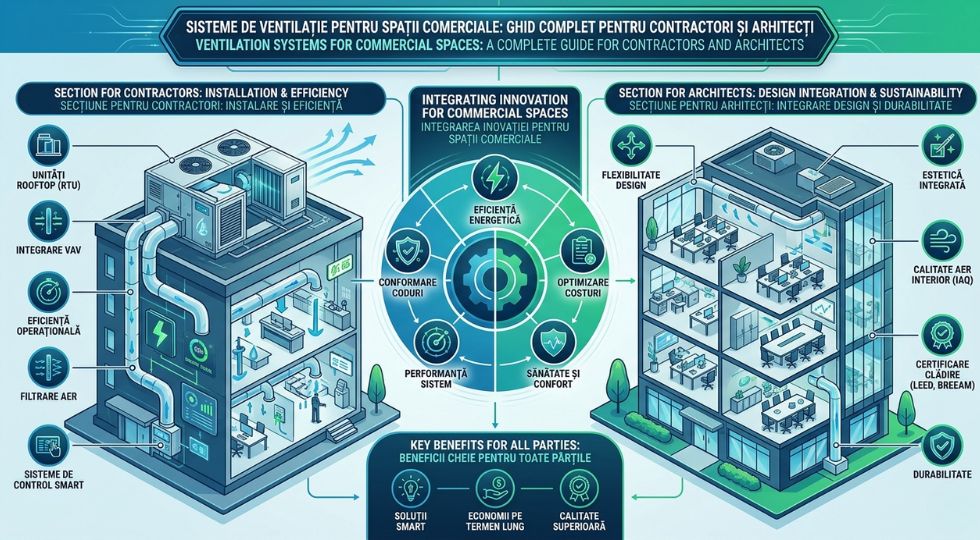
When designing or renovating a commercial space, ventilation is one of the aspects that makes a real difference — not just for the comfort of occupants, but also for regulatory compliance, energy efficiency and even the longevity of equipment within the building. Yet in practice, choosing a ventilation system is often left to last, or treated superficially.
This guide is aimed at contractors building or fitting out commercial spaces, and at architects designing these buildings. You'll find clear decision criteria, the right equipment types for each context, and common mistakes you can avoid from the design stage.
Why Commercial Ventilation Is More Complex Than Residential
In a home, ventilation needs to handle the air produced by a handful of people, cooking and moisture. In a commercial space, the challenges multiply rapidly.
High occupant density. An open-plan office, a conference room or a restaurant at peak service produces significant amounts of CO₂ and moisture. European standards (EN 15251 and EN 16798) set minimum fresh air flow rates per person, and failing to meet them immediately shows in reduced productivity, fatigue and complaints from staff or customers.
Activities with thermal or pollutant loads. Professional kitchens, production workshops, laboratories or equipment halls generate heat, gases and particles that must be extracted efficiently and in a controlled manner.
Specific legal requirements. Spaces open to the public, food service establishments and industrial facilities are governed by fire safety, sanitary and environmental regulations. Smoke extraction ventilation in the event of a fire, for example, is mandatory in many building types and must be designed separately from normal ventilation.
Continuous operation. Unlike a home, a commercial space may operate 12–16 hours a day, 6–7 days a week. Equipment must be sized for sustained use, not occasional peaks.
Types of Commercial Spaces and Suitable Ventilation Solutions
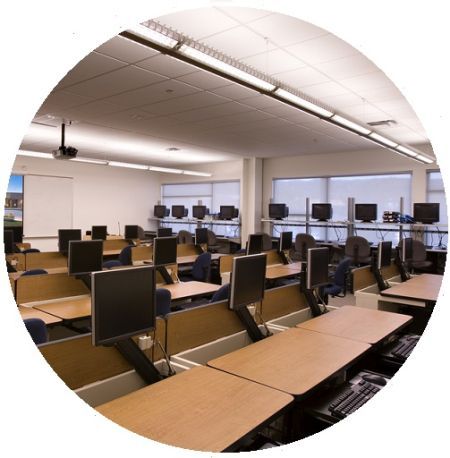
1. Offices and workspaces
The main challenge in offices is maintaining air quality at a level that supports concentration and productivity. CO₂ levels above 1,000 ppm produce noticeable fatigue; above 1,500 ppm, cognitive capacity declines significantly.
What works:
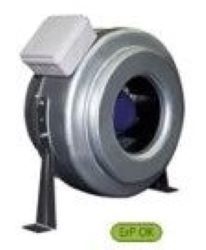
- Inline centrifugal fans for air distribution through ducting in medium and large spaces. They are quiet, compact and easy to integrate into false ceilings.
- Heat recovery units (HRV/ERV) for offices with long operating hours: they reduce energy losses by 60–80% compared to simple extraction, by recovering heat from the outgoing air.
- Multifunctional HVAC sensors for CO₂, temperature and humidity, enabling automatic airflow adjustment based on occupancy — energy efficient and requiring no manual intervention.
👉 See the range of centrifugal fans and HVAC sensors available.
2. Restaurants, cafés and food service establishments
Professional kitchens are one of the most demanding environments for ventilation. Heat, steam, grease particles and odours must all be managed simultaneously, with a powerful extraction system and equipment that can withstand harsh conditions.
What works:
- High-volume centrifugal fans for direct extraction from the cooking zone. Required airflow rates are significantly higher than in other spaces — calculations are based on the type of cooking equipment, number of burners and working area.
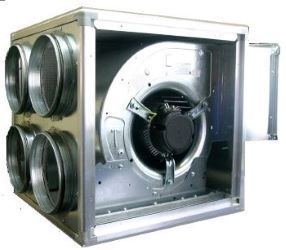
- EC motor fans for air circulation in the dining area: low energy consumption, precise speed control, quiet operation — essential for customer comfort.
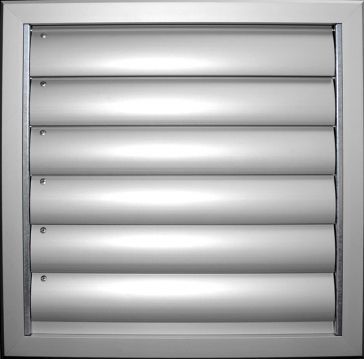
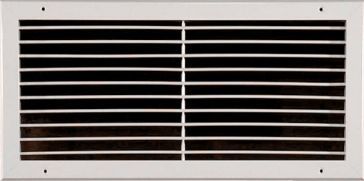
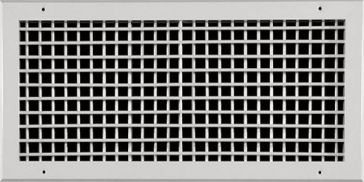
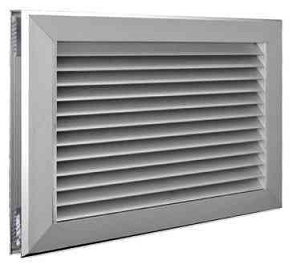
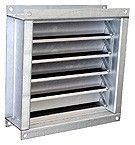
- External grilles for fresh air intakes and discharge points: weatherproof, with insect protection and suited to high airflow rates.
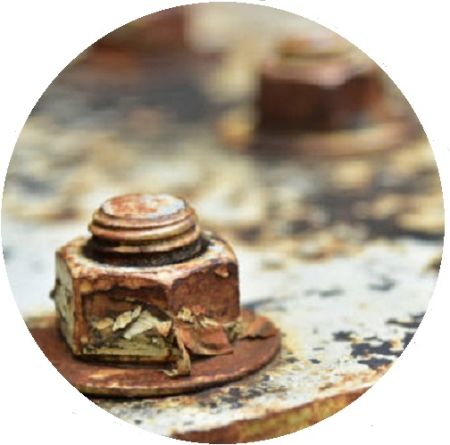
- Corrosion-resistant fans where grease and moisture are constant — material durability makes a significant difference over time.
A frequently overlooked point: the kitchen ventilation system must be balanced with the dining area system. Excessive negative pressure in the kitchen can create visible draughts in the restaurant and cause discomfort for customers.
👉 Explore corrosion-resistant fans and EC motor fans from the range.
3. Retail spaces (shops, showrooms, shopping centres)
Retail spaces combine variable footfall with the need to maintain comfortable temperatures and fresh air, without creating draughts or noise.
What works:
- Air curtains at main entrances: they create an invisible thermal barrier that reduces heat loss in winter and prevents warm air infiltration in summer. They are practically mandatory for any retail space with frequent access from outside.
- Ceiling-mounted fans in false ceilings above storage or service areas.
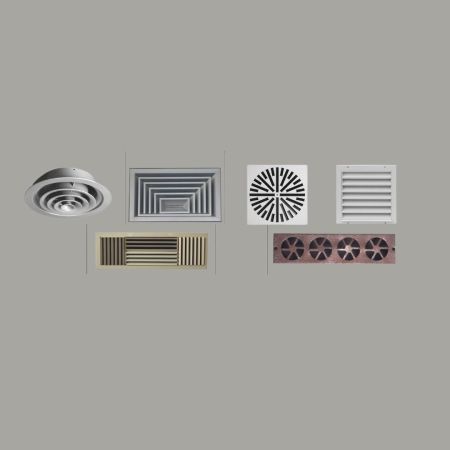
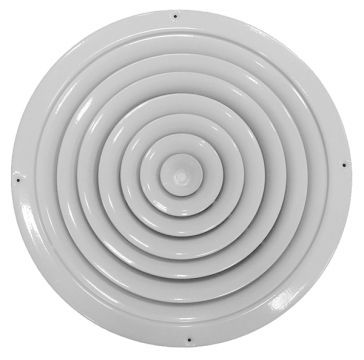
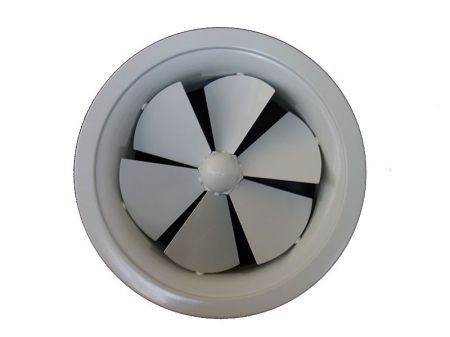
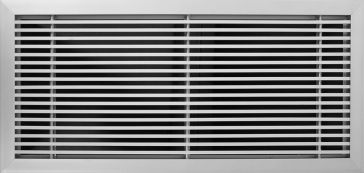
- Swirl diffuser ceiling grilles for uniform air distribution in large, open spaces.
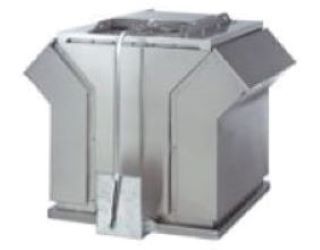
- Roof extract fans for flat-roofed buildings or storage areas — a cost-effective and efficient solution for evacuating hot air that accumulates near the ceiling.
👉 See the range of air curtains and ceiling grilles.
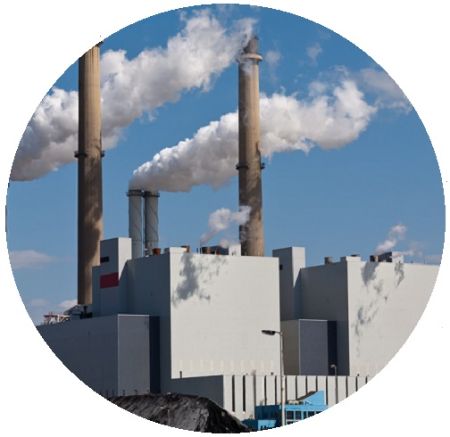
4. Industrial halls, warehouses and production workshops
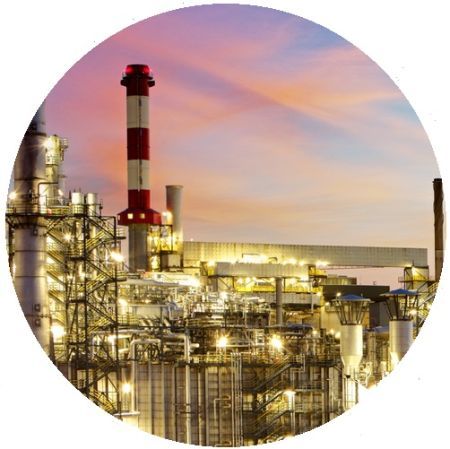
Industrial ventilation has entirely different requirements from standard commercial ventilation: very high airflow rates, resistance to extreme conditions (high temperatures, dust, corrosion, explosive atmospheres), and often continuous operation.
What works:
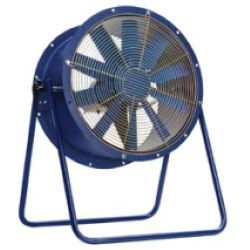
- Industrial axial fans for high airflow at low resistance — typical for tall halls where hot air accumulates under the roof.
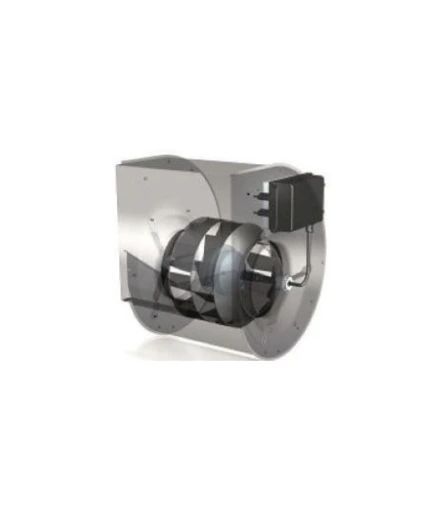
- High-pressure centrifugal fans for systems with long duct runs or advanced filtration — specific to industrial processes.
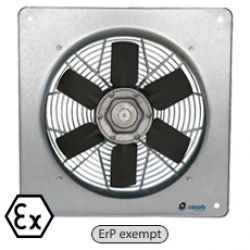
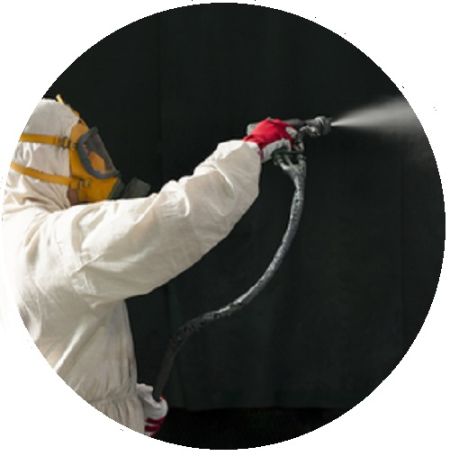
- ATEX fans (explosion-proof construction) — mandatory in environments with explosion risk: spray booths, petrol stations, solvent storage, chemical industry. They are designed to comply with the ATEX directive and cannot be substituted with standard equipment.
- Roof extract fans for evacuating air from industrial roofs — a simple, robust and efficient solution for warehouses.
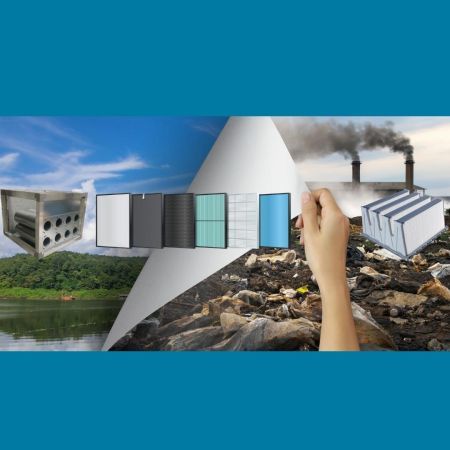
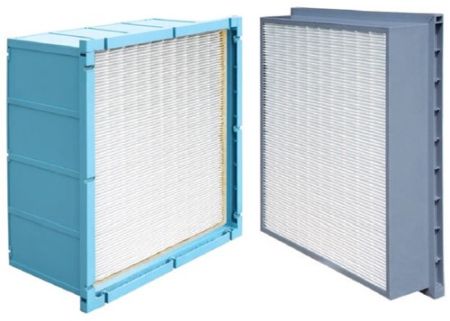
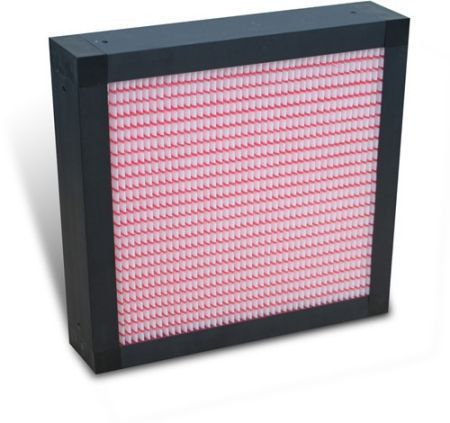
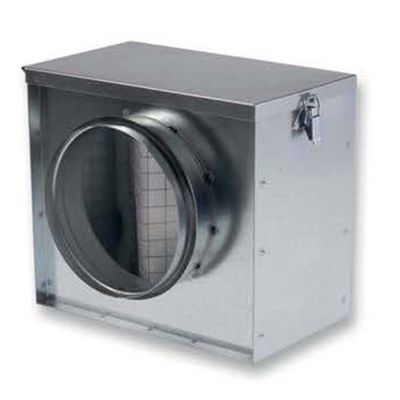
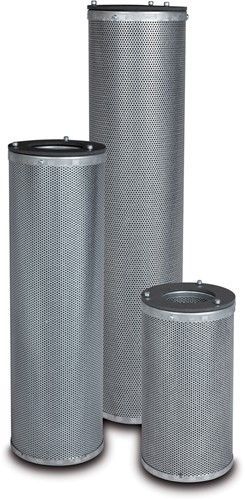
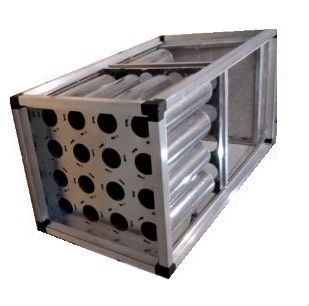
- Industrial air filters — filter boxes and modular units for protecting equipment and personnel in dusty or particle-laden environments.
A critical point for industrial halls: smoke extraction ventilation in the event of fire is regulated by specific standards and must be designed separately, using certified equipment. Smoke extraction fans are not interchangeable with standard ventilation fans — they have certified thermal resistance (300°C/1h or 400°C/2h).
👉 See the range of ATEX fans, axial fans and smoke extraction equipment.
Essential Technical Criteria for Commercial Ventilation Design
If you're an architect or design engineer, here are the parameters you need to establish before selecting equipment:
1. Required airflow (m³/h) Calculated based on: number of occupants, activities carried out, floor area and volume of the space, and applicable standards (ASHRAE, EN 16798, local regulations). A 200 m² restaurant may require airflow of 5,000–15,000 m³/h, depending on configuration.
2. Available static pressure (Pa) Determines which type of fan is appropriate. Systems with long ducts, filters or multiple grilles have high resistance — they require medium- or high-pressure centrifugal fans. Direct extraction systems can use axial fans.
3. Permitted noise level (dB(A)) An office or restaurant has low tolerance for noise. EC motor fans and systems with sound attenuators are essential in these contexts.
4. Energy efficiency EC (electronically commutated) motors consume 30–50% less energy than traditional AC motors at partial loads — a significant difference in operating costs over time.
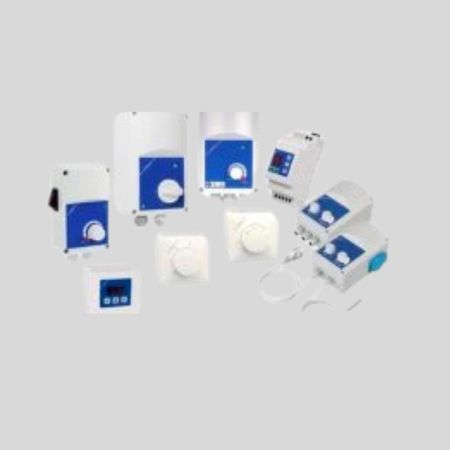
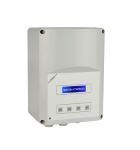
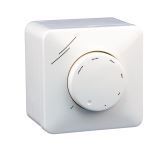
5. Control and automation Modern systems include speed controllers (linear or stepped), variable frequency drives and CO₂/humidity sensors that automatically adjust airflow. The initial investment is typically recovered in 2–4 years through energy savings.
Common Mistakes in Commercial Ventilation Design
Undersizing the system — the most frequently encountered issue. Calculations are done for average capacity, not for peak conditions. The result: stuffy spaces during busy periods.
Ignoring pressure balancing — a powerful extraction system without corresponding fresh air supply creates negative pressure in the building, with doors difficult to open and uncontrolled draughts.
Mixing systems — normal ventilation and smoke extraction in the event of fire are separate systems with different equipment. Designing them together, sharing the same ducts, is a technical and legal error.
Choosing on price rather than application — a cheaper fan in an environment with grease or corrosion will fail within 12–18 months. Total cost of ownership (purchase + maintenance + replacements) tells a very different story from the initial quote.
No service access points — ducts and fans require periodic cleaning and maintenance. Projects that don't include access panels or working space around equipment create serious problems at the first service visit.
How to Choose Your Ventilation Equipment Supplier
A good supplier doesn't just sell products — they offer technical support for equipment selection, access to full documentation (performance curves, complete data sheets), and local stock availability for fast delivery.
What to check:
- Does the product range cover all application types (residential, commercial, industrial, ATEX)?
- Is certified smoke extraction equipment available?
- Is technical support for sizing and selection available?
- Is stock held locally, or do deliveries come from imports with lead times of weeks?
Conclusion
Ventilation in a commercial space is not an accessory — it is critical infrastructure that affects occupant health, energy consumption, legal compliance and the value of the property. Choosing the right equipment correctly, from centrifugal fans for ducted systems, to roof extract fans for warehouses, to ATEX fans for at-risk environments, and certified smoke extraction systems, makes the difference between a solid project and one that causes problems in operation.
Find the Right Equipment for Your Project
ventilation.ro offers a complete range of commercial and industrial ventilation equipment: centrifugal, axial, roof extract, ATEX, corrosion-resistant fans, HVAC control systems, filters and smoke extraction equipment.
📞 Call us for technical advice: +40 722 667 238
Relevant categories:


Post comment